Oura Acquires Doublepoint to Bring Gesture Recognition Tech to Smart Rings

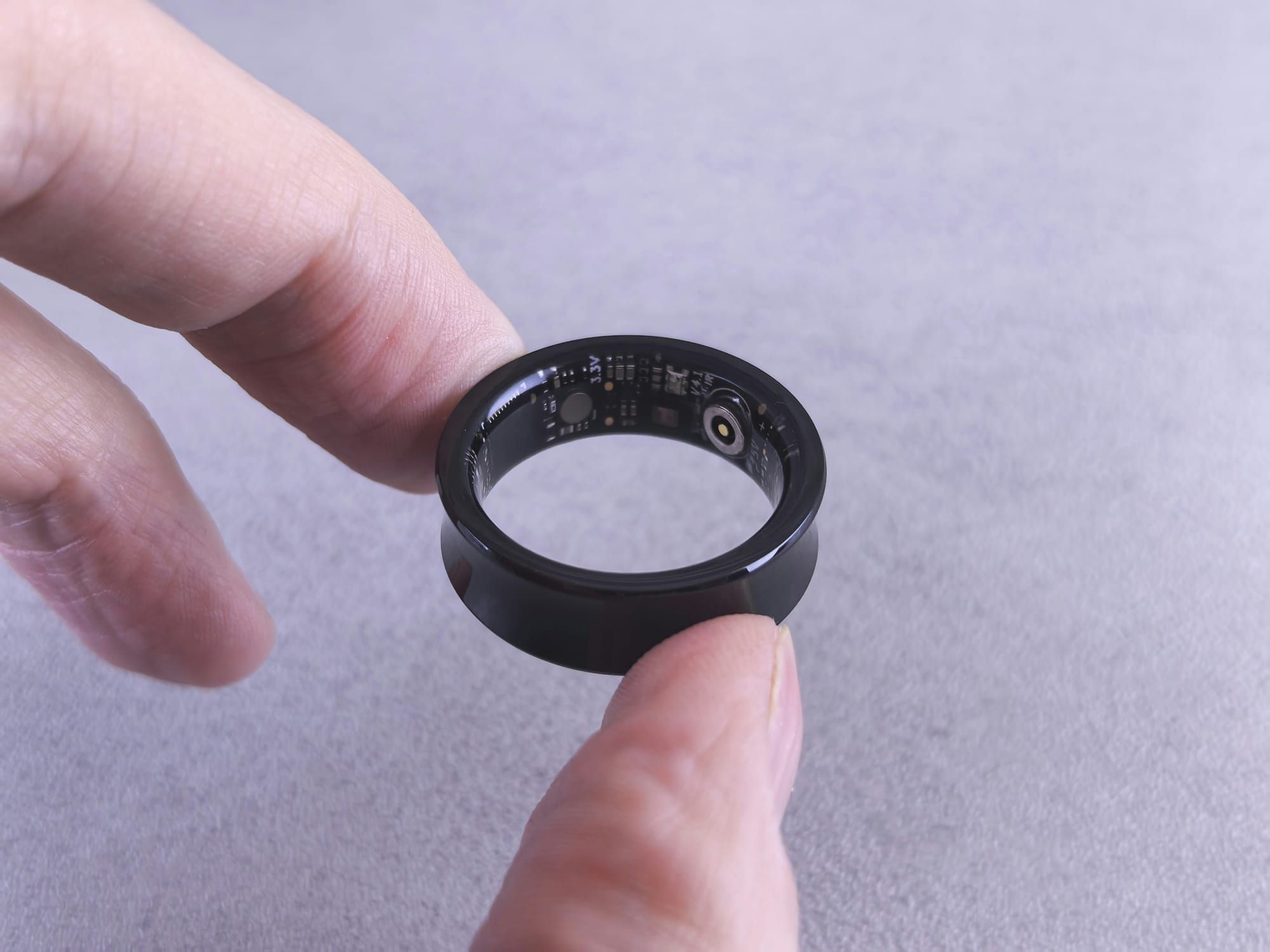
Smart ring maker Oura has acquired gesture-recognition startup Doublepoint Technologies, signaling a push toward more natural ways of interacting with wearable devices. The move could bring screen-free gesture controls to future Oura products, combining health tracking with AI-driven interaction.
Oura, best known for its health and fitness smart rings, has acquired gesture-recognition specialist Doublepoint Technologies, signaling a major push toward more intuitive ways of interacting with wearable devices.
The deal, whose financial terms were not disclosed, will bring Doublepoint’s team and technology into Oura’s product development pipeline. According to the company, the acquisition is intended to accelerate its vision of combining voice, gesture, and AI-driven experiences within its wearable platform.
Gesture Control Meets Wearable Health Tech
Doublepoint, a Helsinki-based startup founded in 2020, has developed a system that uses biometric data and artificial intelligence to interpret subtle hand movements and gestures. The technology allows users to control devices without relying on screens, buttons, or traditional input methods.
Oura says integrating this gesture technology with its existing biometric sensing platform could enable quiet, intuitive interactions that work seamlessly in the background of daily life.
Potential use cases include:
- Skipping media tracks
- Navigating wearable interfaces
- Controlling connected devices
- Triggering shortcuts with simple hand gestures
“Doublepoint’s tech helps devices understand small hand movements, so interactions feel faster and more natural across different interfaces,” Oura said in its announcement. “When layered on top of Oura’s continuous sensing and insights, it enables the creation of new kinds of quiet, helpful features that make everyday life a little easier.”
Bringing World-Class Talent In-House
The acquisition also brings Doublepoint’s engineering team into Oura’s organization, including the company’s four founders.
The team will remain based in Helsinki and will work alongside Oura’s broader engineering and product groups as part of an expanded innovation initiative focused on wearable AI experiences.
According to Oura CEO Tom Hale, the move strengthens the company’s technical capabilities while reinforcing its commitment to building more intuitive, human-centered technology for wearable devices.
Toward More Natural Interaction Models
Today’s smart rings primarily focus on biometric tracking, including sleep monitoring, activity tracking, and readiness metrics.
Gesture recognition could expand the role of wearables beyond passive monitoring into active device control.
Future interaction models could combine several types of inputs, including:
- Hand gestures
- Voice commands
- Passive biometric signals
Together, these inputs could enable screen-less interaction, allowing users to control apps and connected devices using natural movements rather than touchscreens or physical buttons.
A Fourth Strategic Acquisition
The Doublepoint purchase marks Oura’s fourth strategic acquisition.
The company previously acquired:
- Health-tracking startup Sparta Science
- Metabolic health platform Veri
- Digital identity technology provider Proxy
Each acquisition has expanded Oura’s technology stack, moving the company beyond basic sleep and activity tracking toward a broader wearable computing platform.
Growing Market Share
Oura has seen significant growth in the smart ring category in recent years.
The company says it has sold more than 5.5 million rings worldwide, and its most recent funding round placed its valuation at around $11 billion.
Industry analysts also report that smart ring shipments increased by nearly 51% in 2025, with Oura currently leading the category.
By adding gesture recognition to its roadmap, Oura hopes to further differentiate its products while tapping into growing interest in ambient AI interfaces—technology that responds to users naturally without requiring constant screen interaction.
Why It Matters
The acquisition of Doublepoint suggests that the next phase of wearable technology may focus less on screens and more on natural human-computer interaction.
While these capabilities are still in development, Oura’s strategy points toward a future where wearables combine health tracking, AI insights, and gesture-based control into a single platform.
If successful, that shift could transform smart rings from passive health trackers into active control hubs for everyday digital experiences.