Apple Studio Display & Studio Display XDR In Depth Overview

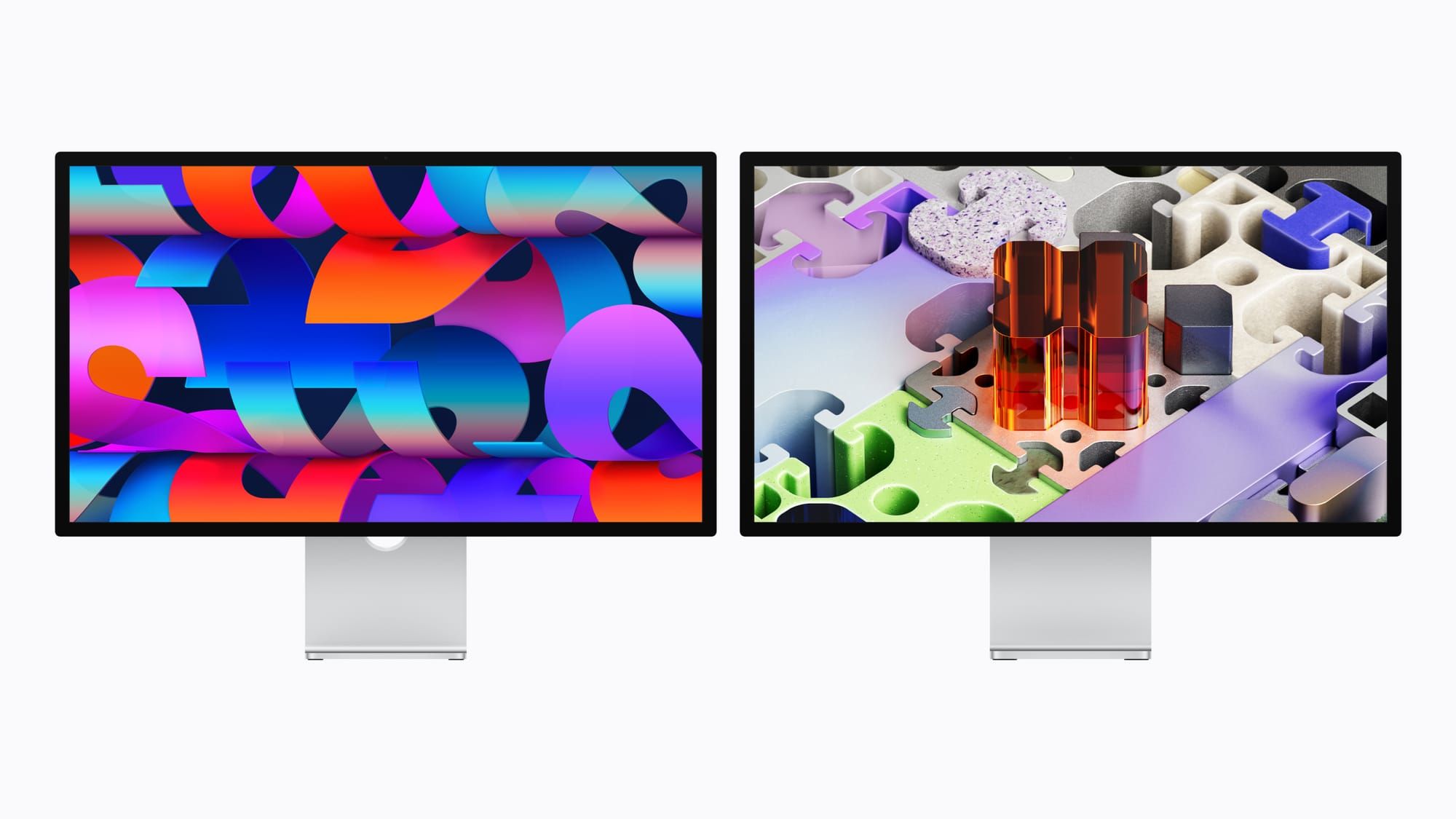
Apple has unveiled two new external displays designed for different kinds of users: the updated Studio Display and the more powerful Studio Display XDR. Both were announced today and bring significant upgrades in visual performance, camera technology, connectivity, and overall user experience. These displays represent the widest range Apple has offered in display hardware, accommodating casual creators all the way to high-end professionals.
Studio Display: Everyday Power, Refined Features
The refreshed Studio Display maintains its 27-inch Retina 5K panel with a 5120 × 2880 resolution and wide color support, making it ideal for everyday creative work, productivity tasks, video conferencing, and entertainment.
One of the biggest updates is the addition of a 12-megapixel Center Stage camera with Desk View. Apple has also improved the audio system in this model. The six-speaker setup now delivers richer bass and improved clarity, making it better suited for music, videos, and calls. The built-in three-microphone array continues to support high-quality voice input with improved noise reduction.
Connectivity sees a significant step forward with Thunderbolt 5, enabling faster data transfer speeds and broader device compatibility. This makes connecting high-speed SSDs, docks, and peripherals more efficient. The Studio Display also retains two USB-C ports for plugging in accessories or charging devices directly.
Studio Display XDR: Professional-Grade Visual Performance
At the higher end of the lineup is the Studio Display XDR, designed for users who demand top-tier visual performance, such as professional video editors, photographers, 3D artists, medical professionals, and color-critical workflows.
This display upgrades the panel technology to a Mini-LED Retina XDR 5K display, delivering expanded brightness and contrast for HDR work. With up to 2,000 nits of peak HDR brightness and a 1,000,000:1 contrast ratio, the XDR model makes HDR effects more vivid and detailed than standard screens.
One of the standout features of the Studio Display XDR is its 120 Hz refresh rate with Adaptive Sync, which dynamically matches the display’s refresh rate to the content’s frame rate. This results in smoother motion and reduced visual tearing during fast-paced workflows, especially helpful in high-frame-rate video editing, animation, and motion design.
Like the standard Studio Display, the XDR version includes the 12-megapixel Center Stage camera and upgraded audio with Spatial Audio support. It also uses Thunderbolt 5 connectivity, providing high throughput for external drives, docks, and accessories.
How These Displays Fit Into Apple’s Ecosystem
With these two releases, Apple now covers a much broader spectrum of user needs within the Studio Display lineup.
The updated Studio Display is well suited for:
• Designers and creative professionals on a budget
• Remote workers and hybrid setups
• Users who want a premium display for everyday content creation or general use
The Studio Display XDR, on the other hand, is targeted toward:
• Professional video editors working with HDR content
• Photographers and colorists requiring greater brightness and contrast depth
• 3D artists and motion designers who benefit from a higher refresh rate
• Power users who want a flagship display to pair with Mac Studio or high-end MacBook Pro models
Both displays support seamless macOS integration, ensuring that features like color calibration, multitasking workflows, and peripheral compatibility work smoothly across the board. The combination of improved camera technology, enhanced audio, and advanced connectivity reflects Apple’s continued push to unify hardware excellence with its broader ecosystem strategy.
Availability & Pricing
Preorders for both displays begin March 4, with units arriving in stores and shipping to customers starting March 11.
The standard Studio Display starts at $1,599 USD, while the Studio Display XDR begins at $3,299 USD, reflecting Apple’s continued focus on providing high-quality visual solutions across different tiers of need and professional demand.